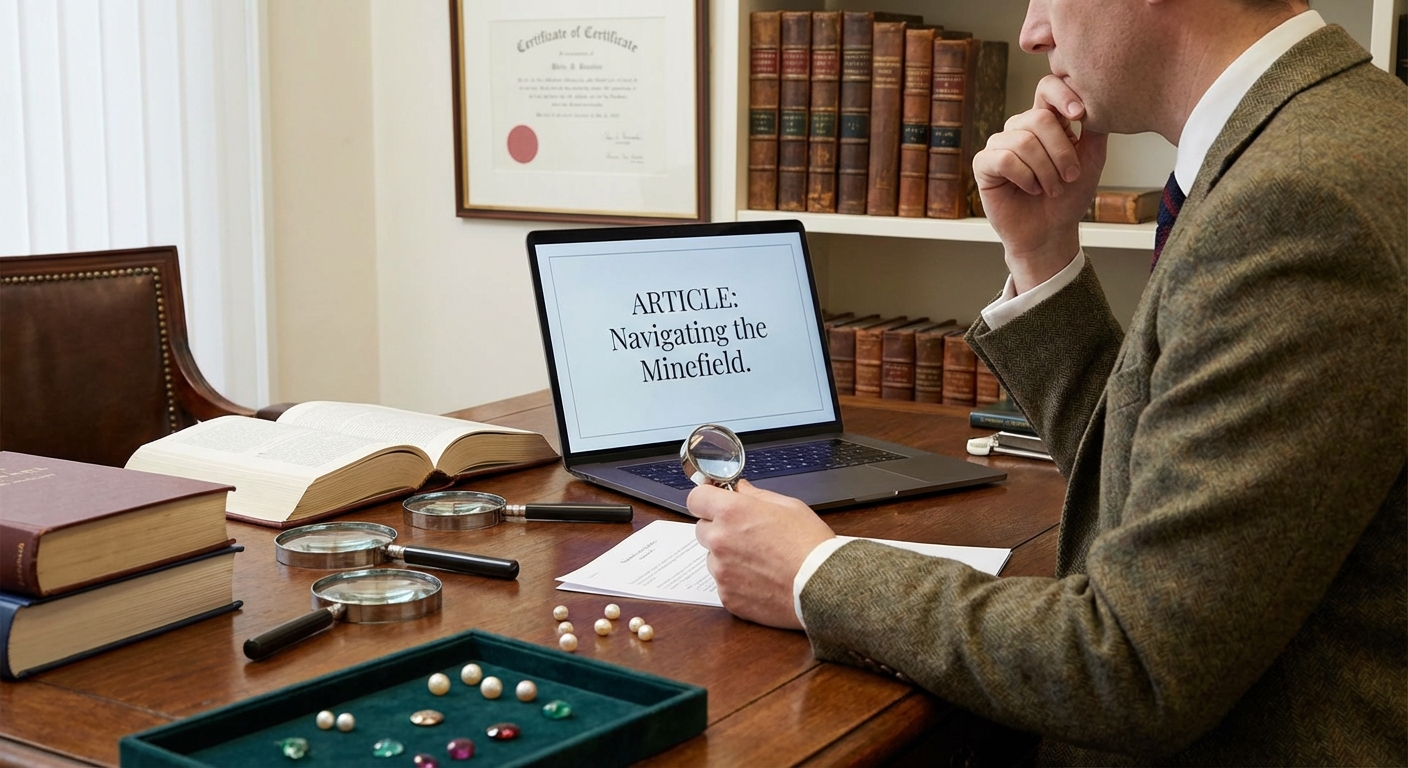
Imagine receiving a call from a client who inherited a collection of antique pocket watches. They're eager to understand their value, but a family member has already expressed a strong desire to purchase a specific piece, offering a price that seems significantly below market. The client asks, "What do you think I should do? Should I just take their offer?" This is just one of the many delicate situations a personal property appraiser can encounter, where the lines between professional duty and personal relationships can blur. It's a minefield we navigate daily, and maintaining ethical integrity is paramount to our credibility and the trust placed in us.
One of the most common ethical quandaries arises from potential conflicts of interest. For instance, if an appraiser has a vested interest in the sale or purchase of an item they are appraising, their objectivity can be compromised. This could be as direct as being a dealer who also appraises for clients, or more subtly, having a close personal relationship with a potential buyer. A clear strategy here is transparency and disclosure. Before undertaking any appraisal, it's crucial to inquire about any existing relationships or potential financial involvements concerning the property. If a conflict exists, the ethical course of action is to decline the appraisal or to clearly state the conflict in the report, allowing the client to make an informed decision. For example, if I were asked to appraise a piece of jewelry that I had previously sold to the client, I would disclose that prior transaction and my knowledge of its original sale price, ensuring the client understands I'm not approaching it as a completely fresh valuation.
Another significant ethical challenge involves maintaining confidentiality. Clients share intimate details about their possessions and financial situations, and this information must be held in the strictest confidence. A breach of confidentiality, intentional or not, can have severe repercussions, eroding trust and damaging professional reputations. This extends beyond the appraisal report itself; casual conversations about client items or their values are strictly off-limits. A practical approach involves implementing robust data security measures for digital records and practicing discretion in all professional interactions. Never discuss a client's appraisal with anyone other than the client or their designated representative, and even then, only with explicit authorization.
Furthermore, appraisers must adhere to competency and diligence. This means only accepting appraisals within our areas of expertise and conducting thorough research. For me, while I have extensive experience with jewelry, I would never appraise a rare manuscript or a complex scientific instrument without consulting with a specialist in that field. This aligns with the principles of the Appraisal Foundation's Uniform Standards of Professional Appraisal Practice (USPAP), which emphasizes the need for competence and the avoidance of making opinions outside of one's knowledge base. A failure to do so can lead to inaccurate valuations and, consequently, significant financial harm to the client.
In practice, I once encountered a situation where a client presented a painting that was attributed to a well-known artist but had no provenance. My initial assessment suggested it might be a period piece, but not necessarily by the named artist. Instead of making an unsupported valuation, I recommended the client engage a specialist art historian and conservator for further authentication. This ensured the client received a more accurate and defensible appraisal, even if it meant a higher upfront cost for additional expertise.
Ultimately, the cornerstone of ethical appraisal practice is acting in the client's best interest while upholding professional standards. When you need an appraisal, seek out an appraiser who clearly outlines their fee structure, demonstrates a commitment to USPAP or other recognized ethical guidelines, and is transparent about any potential conflicts of interest. Your peace of mind and the integrity of the valuation depend on it.