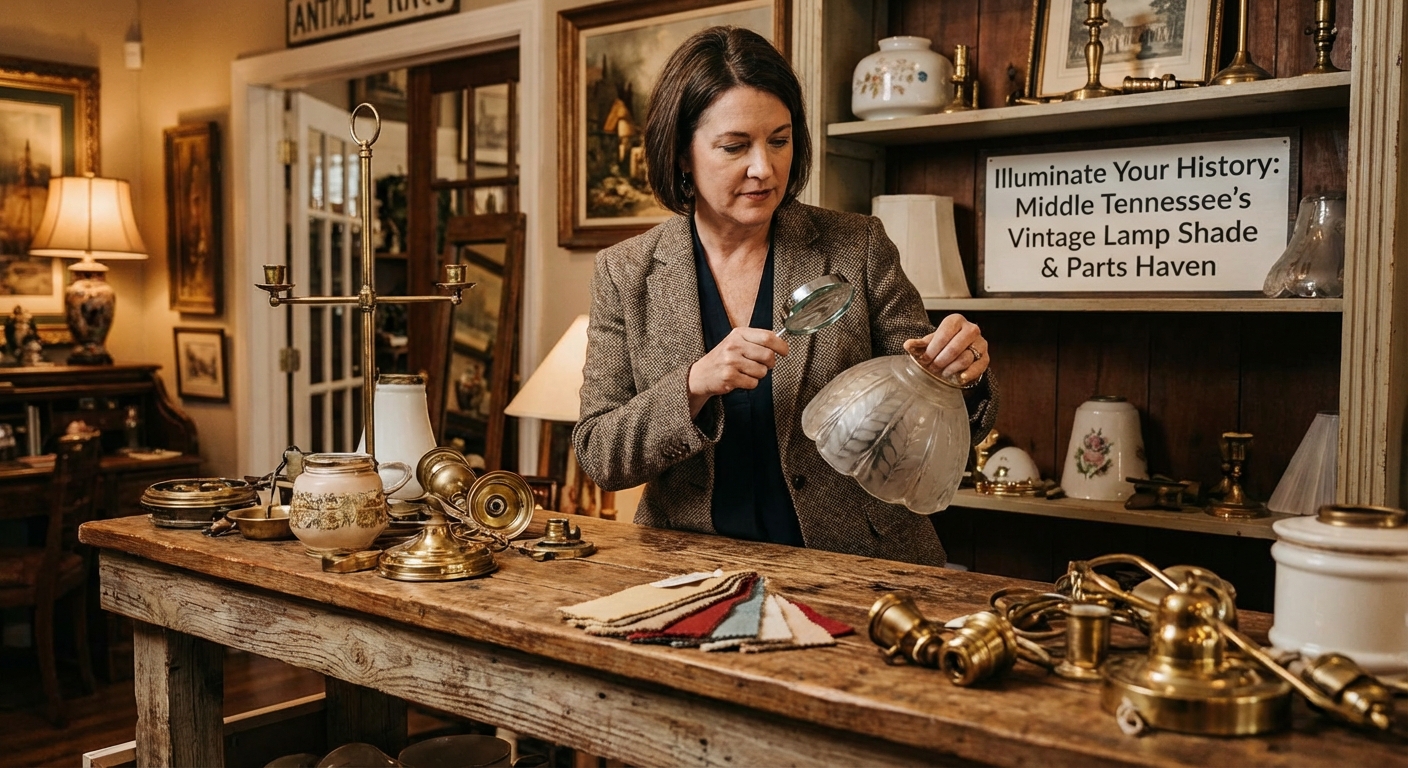
Imagine the soft glow of a treasured heirloom lamp, its intricate shade casting dancing patterns across your living room. Suddenly, a hairline crack appears, or a crucial finial goes missing. The heart sinks. That beautiful piece, imbued with stories and memories, feels incomplete, perhaps even destined for the attic. It’s a common sentiment, this feeling of loss when a beloved vintage item sustains damage. Many collectors, myself included, have experienced that moment of panic, wondering if their cherished lamp is beyond repair. The good news is, for those of us in Middle Tennessee, a haven exists where these cherished pieces can be reborn.
Navigating the world of vintage lamp restoration and parts can feel like a treasure hunt. Fortunately, with a little knowledge and access to the right resources, you can illuminate the history of your own lamps. One key strategy is to identify the era and style of your lamp shade. This isn't just about aesthetics; it dictates the materials, construction techniques, and even the types of parts you'll need. For instance, a Tiffany-style art glass shade will require different repair methods and replacement parts than a simple frosted glass bell shade from the mid-century. Researching lamp manufacturers from different periods or consulting with specialists can provide invaluable clues. Don't underestimate the power of online archives and collector forums; they are often brimming with information and images that can aid identification.
Another crucial step is to prioritize preservation over replacement whenever possible. This aligns with the concept of "conservation of cultural heritage," which emphasizes maintaining the integrity and authenticity of an object. Instead of replacing a slightly chipped glass panel, explore techniques for professional glass repair. For fabric shades, professional cleaning and careful mending can often restore their former glory. When parts are truly irreplaceable, focus on sourcing authentic vintage components. This might involve visiting specialized antique shops, attending estate sales, or connecting with online communities dedicated to lamp parts. The goal is to retain as much of the original character as possible, preserving the lamp’s historical narrative.
A practical approach involves documenting your lamp thoroughly before any restoration begins. Take detailed photographs from all angles, noting any existing damage or unique features. This documentation is invaluable not only for your own records but also if you ever need to consult with a professional restorer or appraiser. It provides a clear baseline and helps communicate the lamp’s condition and specific needs.
In practice, I recently encountered a stunning art deco lamp with a significant tear in its silk shade. The owner was distraught, fearing the lamp was ruined. We carefully documented the damage and identified the likely era of manufacture. Through diligent searching at a local antique mall known for its lamp parts, we located a vintage silk fabric with a remarkably similar weave and color. A skilled seamstress then meticulously repaired the shade, preserving its original charm and the lamp’s historical integrity. The result was a beautiful restoration, allowing the lamp to shine once more.
For those who own vintage lamps and are considering their value, whether for insurance, sale, or simply for personal knowledge, a professional appraisal is essential. The process involves a thorough examination of the lamp's materials, craftsmanship, condition, and historical significance. As an appraiser with extensive experience in jewelry, antiques, and collectibles, I understand the importance of accurately assessing these unique items. If you have a vintage lamp whose story you wish to illuminate, or if you're seeking a professional valuation, don't hesitate to reach out for a comprehensive appraisal.