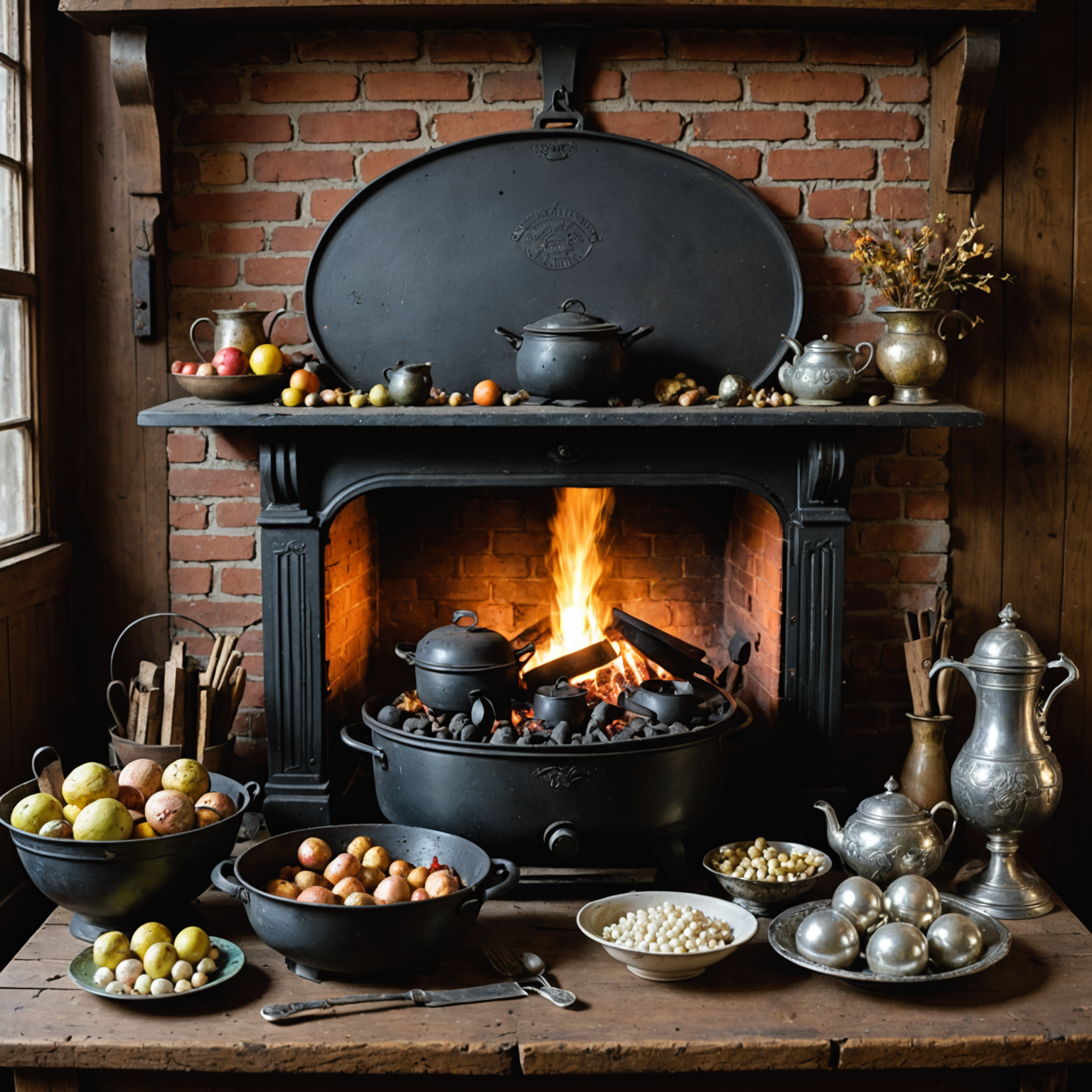
Imagine walking into your grandmother’s kitchen, the scent of simmering stew still faintly clinging to the air. On the stove sits a heavy, black skillet, its surface worn smooth with decades of use. It’s not just a cooking tool; it’s a vessel of memories, of Sunday dinners and holiday feasts. Perhaps it's a Lodge, a Wagner, or even a coveted Griswold, pieces that have quietly served generations. These aren't just old pots and pans; they are tangible links to our past, holding stories within their seasoned surfaces. I often encounter these pieces when clients, like Eleanor Vance from Chattanooga, bring in family heirlooms for appraisal. She brought in a remarkably well-preserved Griswold skillet, passed down from her great-aunt, unsure of its value beyond its sentimental worth.
When it comes to appraising vintage Tennessee cast iron, including those sought-after Griswold pieces, a few key strategies help uncover their true worth. First, condition is paramount. Look for significant rust, cracks, warping, or missing parts. A piece in excellent condition, with minimal pitting and a smooth, well-seasoned surface, will always command a higher value than one that’s severely damaged. For example, a Griswold #8 skillet with a smooth bottom and no significant rust is worth substantially more than one with deep pitting or a visible crack. Second, identificatiom is critical. Learn to recognize makers’ marks, mold numbers, and specific design features. Griswold, for instance, is known for its distinctive block lettering and often features a “made in USA” mark. Wagner Ware also has recognizable logos and patterns. Knowing these details helps differentiate common pieces from rarer finds. Consider the “halo” effect sometimes seen on older Griswold lids, a subtle raised ring, which collectors often seek.
A foundational concept in appraising collectibles is the principle of supply and demand. Rare pieces, or those in exceptionally high demand by collectors, will naturally fetch higher prices. This is why a specific, less common Griswold pattern might be more valuable than a more widely produced Wagner, even if they appear similar. We see this play out constantly in the market. Take the case of Mr. Bartholomew Higgins from Knoxville. He brought in a set of matching Wagner Ware Dutch ovens, all in pristine condition. Because they were a complete set and in such excellent shape, their collective value was significantly higher than if they were individual, disparate pieces.
In practice, I once appraised a seemingly ordinary cast iron griddle for a client named Penelope Davies. Upon closer inspection, it bore a subtle, early Griswold mark that indicated it was a rare, pre-1900 production piece. This detail, easily missed by an untrained eye, dramatically increased its appraisal value, much to Penelope's delight.
If you have vintage Tennessee cast iron, whether it’s a trusty skillet, a Dutch oven, or a unique specialty piece, and you’re wondering about its market value for insurance, estate planning, or simply curiosity, don’t hesitate to reach out. A professional appraisal can uncover the hidden stories and financial worth of these enduring treasures.