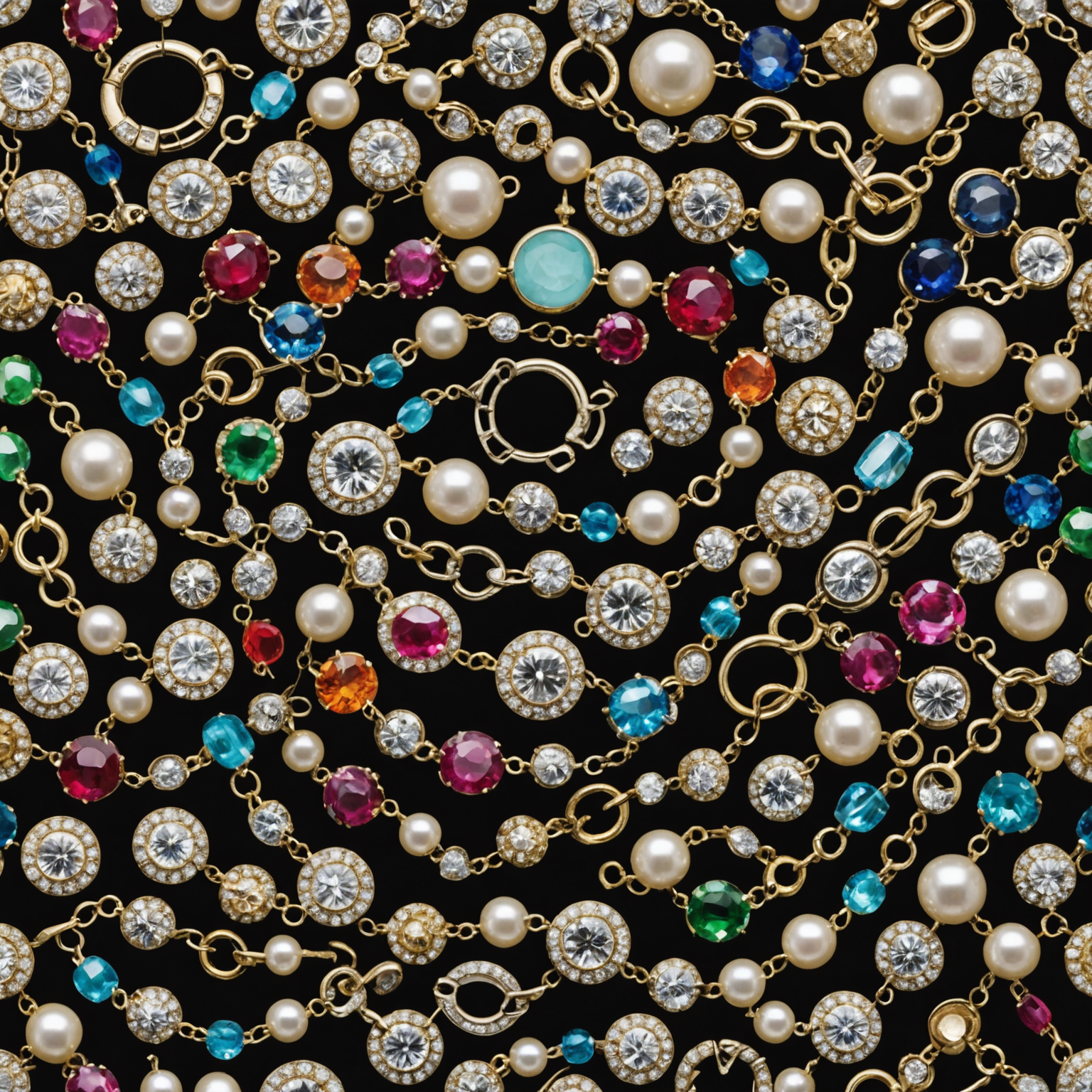
I remember a client, Mrs. Gable, who brought in a tarnished silver charm bracelet. It had belonged to her grandmother, a woman she’d only known through faded photographs and whispered family stories. As I carefully examined each tiny charm – a miniature Eiffel Tower, a tiny book, a whimsical teapot – I could feel the weight of history in my hands. It wasn't just the silver; it was the narrative these objects held, the journeys taken and memories cherished. For Mrs. Gable, the bracelet was priceless, a tangible link to her past. But for an appraiser, unlocking that value requires a methodical approach, looking beyond sentiment to tangible worth.
When appraising charm bracelets, the first crucial step is to identify the materials. Is the bracelet itself sterling silver, gold-filled, or perhaps a less precious alloy? Likewise, each charm needs individual assessment. Look for hallmarks – tiny stamps indicating metal purity or maker’s marks. A solid gold charm will naturally carry more intrinsic value than a plated one. Don't overlook the possibility of gemstones, even small ones. A miniature sapphire or diamond, however tiny, adds to the overall worth and requires careful identification, even if a full gemological certification isn’t available.
Next, consider the provenance and historical significance. Where did the bracelet originate? Were these charms collected during a specific era, perhaps the Art Deco period or the mid-century? Knowing the context can significantly impact value. For instance, charms from well-known jewelers like Tiffany & Co. or unique pieces from celebrated souvenir shops of the past command a premium. The story behind the bracelet, if known, can also be a powerful factor. Did the owner travel extensively? Were these gifts from significant people or occasions? This qualitative data, while not directly quantifiable, informs the market value.
A key concept in appraising collectibles, and charm bracelets are no exception, is the principle of Supply and Demand. If a particular style of charm or a specific maker's work is highly sought after by collectors but rarely comes to market, its value will naturally increase. Conversely, common, mass-produced charms from a less desirable era might have more sentimental value than monetary. I once appraised a bracelet for a gentleman named Bartholomew, who believed his grandmother’s bracelet was worth a fortune due to its sheer number of charms. Upon closer inspection, most were mass-produced, but one tiny, intricately detailed enamel charm, depicting a rather obscure historical figure, turned out to be a rare find from a specific Parisian artisan. That one piece significantly boosted the bracelet's overall appraisal value.
It’s also important to assess the condition of each individual component. Is the clasp secure? Are there any broken links in the chain? Are the charms heavily worn, with enamel chipped or metal scratched? Significant damage can detract from value, but even minor wear can tell a story. I recall an appraisal for a Ms. Priya, who had a beautiful gold bracelet with many charms. One charm, a tiny carousel horse, had lost its rider. While disheartening, the rest of the bracelet was in excellent condition, and the missing piece didn't negate the value of the intact charms and the bracelet itself, but it was a factor to note.
Ultimately, appraising a charm bracelet is a blend of objective material assessment and an understanding of the collector's market. It's about seeing beyond the tarnish and recognizing the stories etched into each tiny treasure. If you have a charm bracelet that holds both personal and potential financial significance, don't hesitate to seek a professional appraisal. Bringing your bracelet to a certified appraiser will provide you with a clear, documented understanding of its true market value, whether it's destined for a collector's display case or simply to be cherished as a family heirloom.