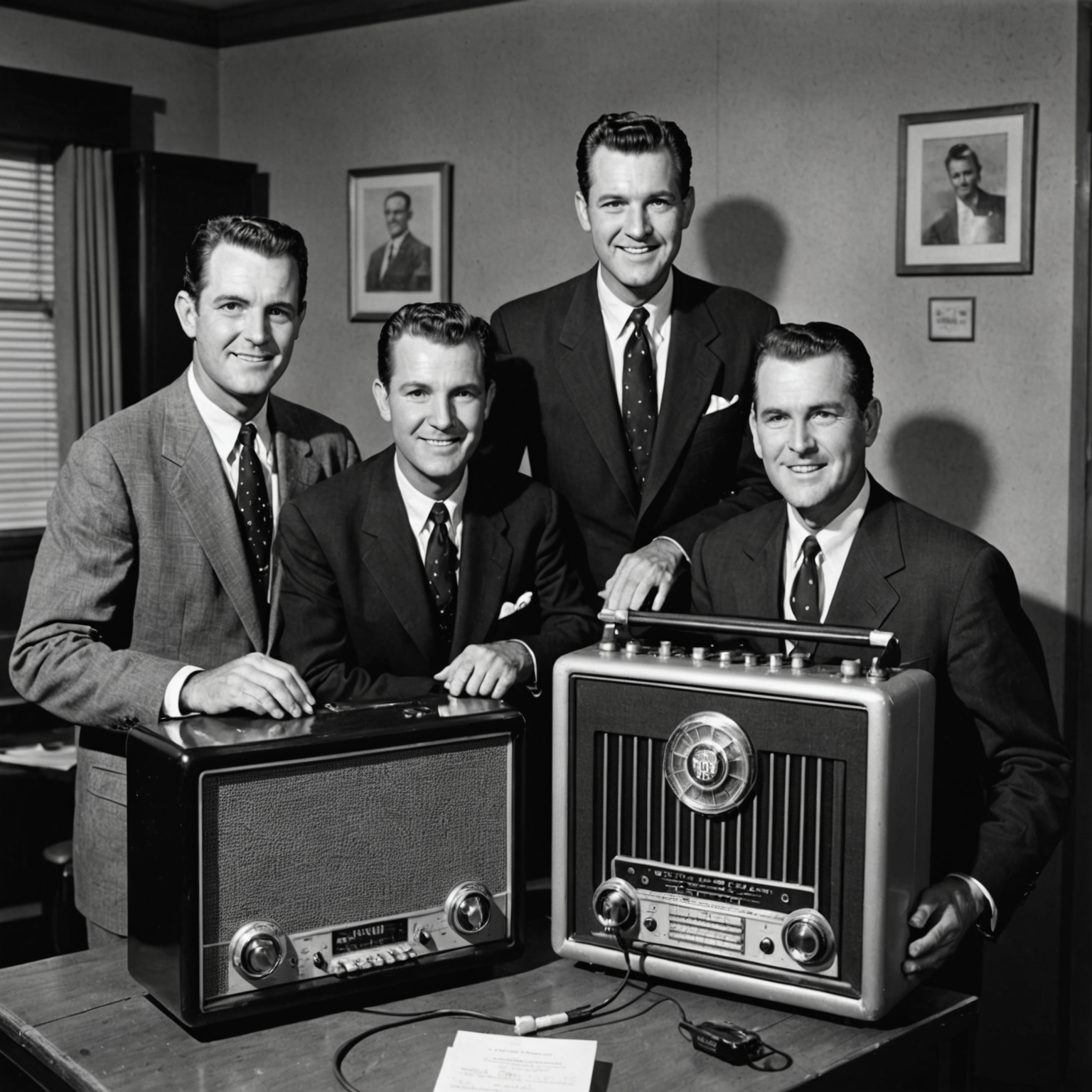
I remember a call last week from a woman in Franklin, Tennessee, who had inherited her grandmother’s attic. Dust motes danced in the single shaft of light as she described a stack of old radios, some the size of small furniture. She spoke of the faint scent of wood polish and forgotten melodies, and wondered if any of them held more than just sentimental value. It’s a common story, really. Many of us have these echoes of the past tucked away, and it’s easy to dismiss them as just old junk. But sometimes, nestled amongst the dust and memories, are genuine treasures waiting to be rediscovered.
Nashville, with its rich musical tapestry, is a particularly fertile ground for these vintage radio finds. The Opry’s golden age, the boom of country music, and the city’s role as a broadcasting hub meant that radios weren't just appliances; they were the portals to dreams, the companions through lonely nights, and the vibrant heart of countless homes. These aren't just Bakelite and tubes; they are tangible connections to a bygone era of sound and culture.
So, how do you begin to unearth these potential treasures? First, look for the maker's mark. Just like a signature on a painting, the manufacturer's name is your initial clue. Companies like Philco, RCA Victor, Zenith, and Crosley are names that often signal quality and desirability. A quick online search for that brand, combined with the model number (usually found on the back or underside), can give you a preliminary idea of its rarity and historical context. For instance, a rare 1930s Philco "Transitone" might fetch a surprisingly high price due to its innovative design for the time.
Second, assess the condition, but don't despair over minor flaws. While a pristine, working radio is always ideal, even a cosmetically challenged piece can have value. Focus on the cabinet – is the wood solid and original? Are there significant chips, cracks, or water damage? For the electronics, a non-working unit can often be restored by a skilled technician, and this restoration potential is factored into an appraisal. Think of it like assessing a vintage dress; some minor mending is expected and doesn’t detract from its overall worth if the fabric and style are exceptional.
Third, consider the "wow" factor and unique features. Does the radio have an unusual design, like an art deco cabinet or a particularly intricate grille? Does it boast features that were cutting-edge for its time, such as early FM reception or a built-in record player? These distinctive elements can significantly elevate a radio's appraisal value. A beautifully preserved 1940s Motorola with its original cloth speaker and a unique cabinet shape, for example, is often more sought after than a more common model.
We often talk about the "principle of highest and best use" in appraisals. For a vintage radio, its highest and best use might be as a functioning piece of art, a collector's item, or even a component in a retro-themed room. Understanding this helps determine its true market value.
Just last month, I appraised a Zenith tombstone radio for a client. It had been sitting in their garage for decades, looking rather forlorn. Upon closer inspection, the cabinet was in remarkable original condition, and the chassis, while dusty, appeared complete. A quick search revealed it was a relatively rare model from the early 1930s. While it needed professional restoration to play, its condition and rarity made it a valuable find, far exceeding the client's expectations.
If you've got old radios collecting dust, don't just guess at their worth. A professional appraisal can provide clarity, uncover hidden value, and help you understand the true story behind those echoes of the Opry. Reach out for an appraisal when you’re ready to discover what treasures you might be holding onto.